
The Steam Malware Case Shows Why Gamers Keep Getting Their Accounts Drained

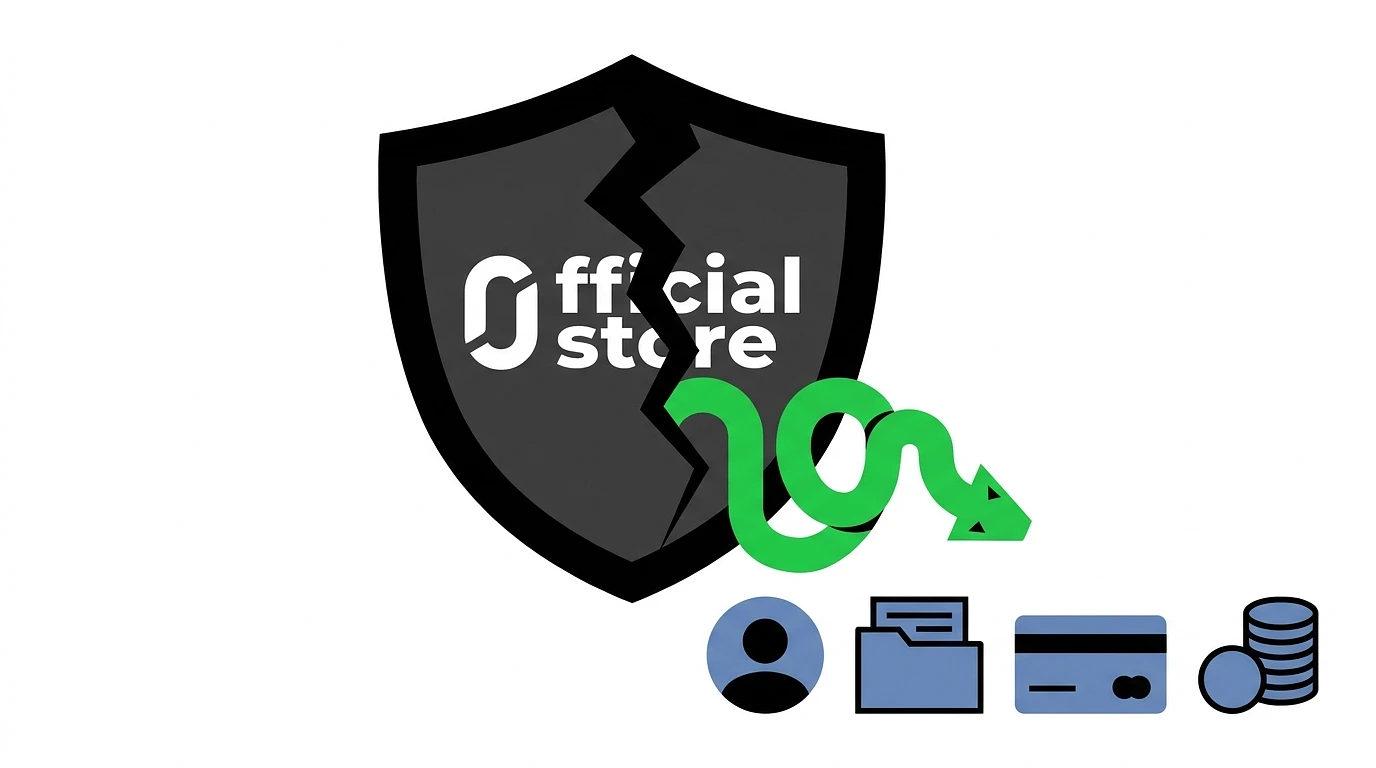
The FBI arrested a 21 year old Florida student last Tuesday for allegedly helping run a malware operation built entirely out of Steam games. Real games, listed on the real store, that installed and played normally while quietly stealing everything on the PC. The numbers in the federal complaint are worth sitting with: around 8,000 infected devices, roughly 80 drained cryptocurrency wallets, and at least $220,000 stolen between May 2024 and February 2026. I have read the reporting around this case closely, and what makes it worth your attention is not the arrest. It is that the complaint lays out, step by step, exactly why this keeps working on people who consider themselves careful.
How the Scheme Actually Worked
Prosecutors in Seattle accuse Zyaire Wilkins and unnamed partners of publishing at least eight malware carrying games on Steam, including BlockBlasters, Dashverse, Lampy, Lunara, and PirateFi. These were not obvious junk. They were playable, finished looking titles that passed Valve’s review and sat on the store like anything else.
- The games launched clean. BlockBlasters was on Steam from July 2025 and passed Valve’s checks as a legitimate build.
- The malware arrived later through a patch. A BlockBlasters update at the end of August 2025 added the drainer code, after the game had already earned its place on the store and in libraries.
- The crew did not wait for random downloads. According to the complaint, they ran bots across Discord, Telegram, X, and LinkedIn to find users with large crypto holdings and messaged them directly with the game.
- Roughly 80 wallets drained out of 8,000 infections is a hit rate of about 1 percent, which tells you the infections were a wide net and the draining was targeted hand work.
That patch detail is the structural hole. A store review process that checks a game at submission and then trusts its updates is a door that only needs to be walked through once. The base game is the disguise, the patch is the payload, and every automated defense that cleared the game on day one keeps vouching for it.
Why Your Account Protections Did Not Matter
The instinct after reading a story like this is to think the victims must have reused a weak password or skipped 2FA. The mechanics say otherwise, and this is the part that applies to every gamer, not just crypto holders.
The Malware Steals Sessions, Not Just Passwords
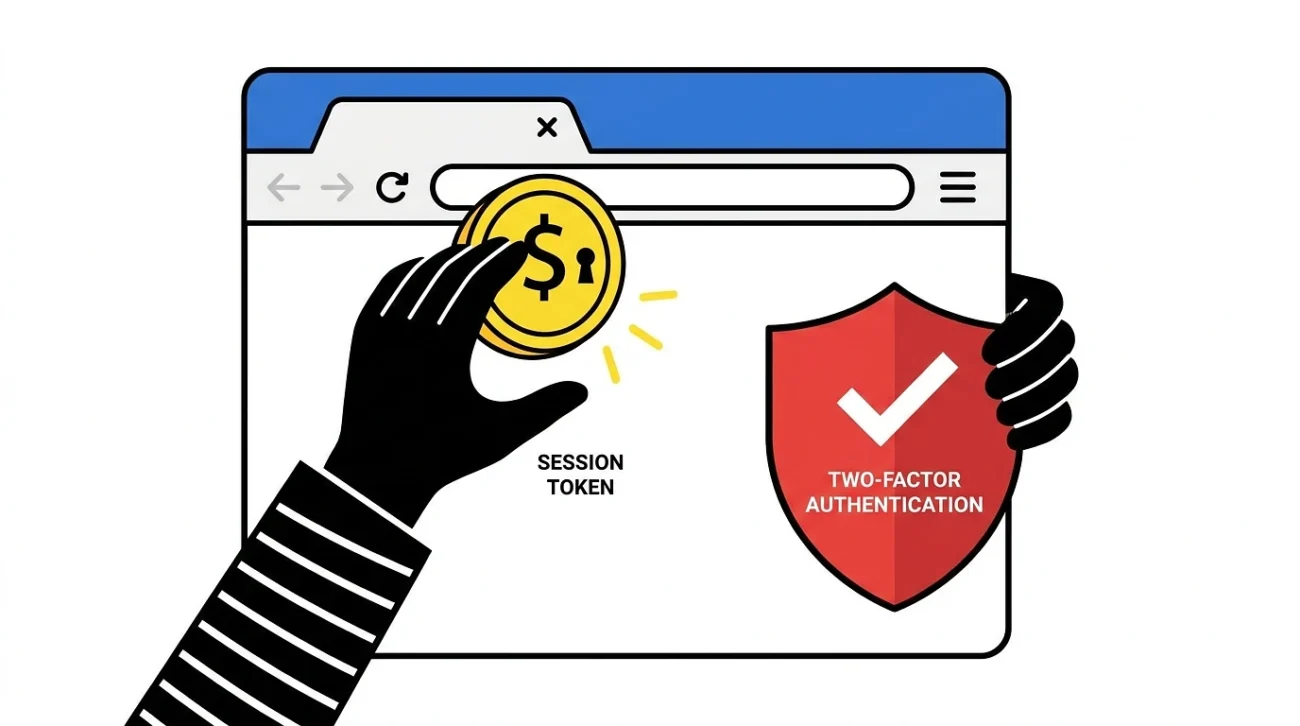
The tools in this campaign were infostealers, the same family of malware behind most gaming account theft over the past few years. Once one runs on your machine, it does not sit there guessing your password. It copies your browser’s saved passwords, autofill data, and, critically, your session cookies, the little tokens that keep you logged in to Steam, Discord, Gmail, and your exchange without retyping anything.
A stolen session cookie is a skeleton key. The attacker loads it into their own browser and they are you, already logged in, already past your two factor prompt, because the session was authenticated on your machine before it was stolen. This is why people wake up locked out of accounts protected by authenticator apps and cannot work out what they did wrong. They did nothing wrong at the account level. The theft happened below it, at the machine level, the moment the game launched.
The Trust Was the Attack Surface
The victims did not download a cracked executable from a forum. They installed a game from Steam, the platform with two decades of earned trust, the place where installing something is supposed to be the safe default. One victim, a Twitch streamer fundraising for stage 4 cancer treatment, lost $32,000 live on stream in September 2025 when BlockBlasters drained his wallet during the broadcast. He was not being careless. He was doing the thing all of us do a hundred times a year.
That is the honest lesson of this case. The security advice gamers have absorbed for years, avoid pirated files, avoid random links, stick to official stores, was all followed here, and it was not enough, because the official store was the delivery vehicle.
How the Case Cracked, and What It Says About the People Behind This
The investigators did not break the malware. They followed the money. The complaint describes tracing stolen Bitcoin to more than 150 gift cards, most of them spent on Uber Eats. That trail led to the "Sibel.eth" handle, then to Wilkins, who allegedly paid $10,000 for a remote access trojan and coordinated draining campaigns over Signal with a primary developer who has not been named or charged.
I find the food delivery detail genuinely useful, not just funny. The people running these operations are not shadowy nation state units. This scheme was allegedly financed and marketed by a college age crew laundering wallet drains into dinner. The barrier to entry is a five figure malware purchase and some social media bots, and that low barrier is exactly why the FBI’s victim notice from March named seven games from what it believes is one actor, and why Valve keeps pulling new ones. Cheap operations get replaced faster than they get arrested.
What You Can Actually Do About It
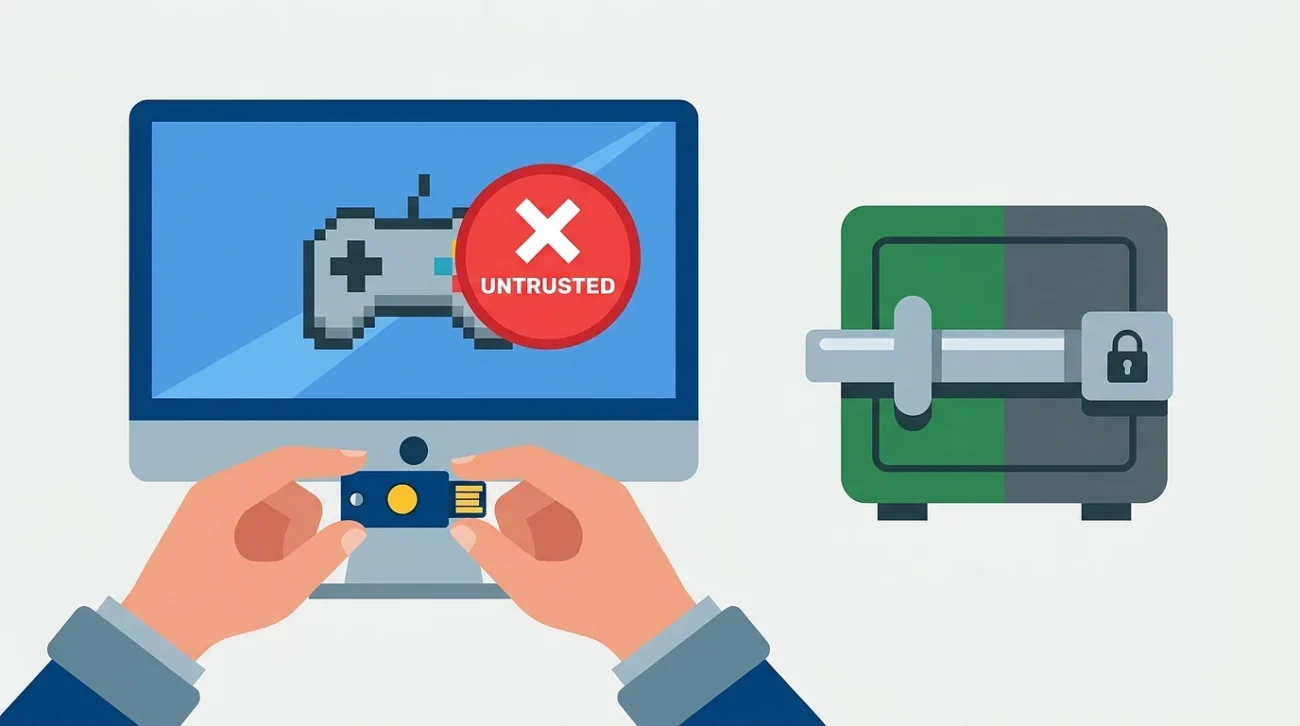
I am not going to pretend there is a setting that makes patch delivered malware impossible, because there is not. What exists is a set of habits that shrink the damage when, not if, something slips through a storefront again:
- Treat small unknown games with recent updates as untrusted software, especially free titles pushed to you in a DM. Being on Steam is not a safety certificate, and the complaint proves the DM push is a deliberate targeting method.
- Keep crypto wallets off your gaming PC entirely. The 1 percent drain rate in this case was 100 percent for the people who held wallets on the infected machine. A hardware wallet or a separate device removes you from the target pool.
- Stop letting your browser store the passwords that matter. Infostealers harvest browser vaults in seconds. A standalone password manager with its own lock is a meaningfully harder target.
- If you ever installed one of the named games, assume compromise: change passwords from a clean device, sign out all sessions everywhere, and report it through the FBI’s victim portal from the March notice. Restitution eligibility runs through that process.
- Be skeptical of free security tools promising to protect you from exactly this. We covered the FBI’s warning about free VPNs turning phones into proxies last month, and it is the same economy: free software you did not vet, monetizing you in ways you cannot see.
The pattern connecting every drained account I have read about this year is not stupidity. It is trust placed in a platform layer that was never built to re verify what it already approved. Valve will keep removing these games and the FBI will keep making arrests, and the next crew is already uploading something playable, because the door they use has not been closed. Until storefronts re scan updates with the same suspicion they apply to new submissions, the safest assumption is the uncomfortable one: every install is a trust decision, including the ones from stores you love.